
We always knew that we would go back to Japan one day. On our first visit, we followed the well-worn tourist path: touring temples in Kyoto, feeding the already-fat deer in Nara, and ending with a couple wide-eyed days in Tokyo. Our favourite part was wandering the trails around Koyosan; there we stayed at a monastery where each night a handsome young monk rolled out our bedding and each morning we woke before dawn for prayers and a fire ceremony.
Our second visit to Japan was more focused. We were there for the Kumano Kodo pilgrimage, a five-day hike following ancient trails across the Kii Peninsula. It was exactly our style of adventure: days spent hiking through pine forests before ending with a hot bath and dinner at a traditional ryokan.
Discovering Shikoku Island
Fast forward more than a decade and we were ready for a return trip. I had recently come across the Shikoku Pilgrimage, a historic route that visits all 88 Buddhist temples dotting Shikoku island, following the path of 9th-century Buddhist teacher Kōbō Daishi.
I was immediately intrigued; it’s a hike that I had never heard of before on an island that I didn’t know existed. That said, I instantly knew that I would never dedicate the two months necessary for completing the entire circuit of the island. However, spending a week or so visiting the best trails and temples that Shikoku had to offer—that sounded eminently doable
We quickly discovered that there are many reasons why the very small number of international tourists heading to Shikoku typically choose to have a local company book their trip. The tourism infrastructure across the island is patchy; trails often start and stop far away from public transit; and booking a Japanese hotel as a non-Japanese person with a non-Japanese name and phone number is extremely complex. However, we had a very compelling reason for booking the entire trip ourselves: the cost savings were tremendous.
The trip began with a late evening flight into Tokushima; a scramble at the airport bus depot when we attempted to find any type of card—credit or debit— that would buy us a bus ticket; and dinner foraged from the aisles of 7-11. With our messy entrance to Japan out of the way, we were ready to kick off our pilgrimage.
A week on the pilgrimage
After extensively researching the most popular trails and temples, we ultimately decided on seven days of hiking interspersed with cultural experiences (also known as rest days). The first day started in the suburbs of Tokushima, where the first of the 88 temples was located. Here we had the option of buying the official white garb and accessories that designates someone a pilgrim or henro. We decided to limit ourselves to a simple white vest but saw plenty of locals and international tourists in various permutations of what we called the “full henro”: white clothes, conical hat, staff, sash, and shoulder bag
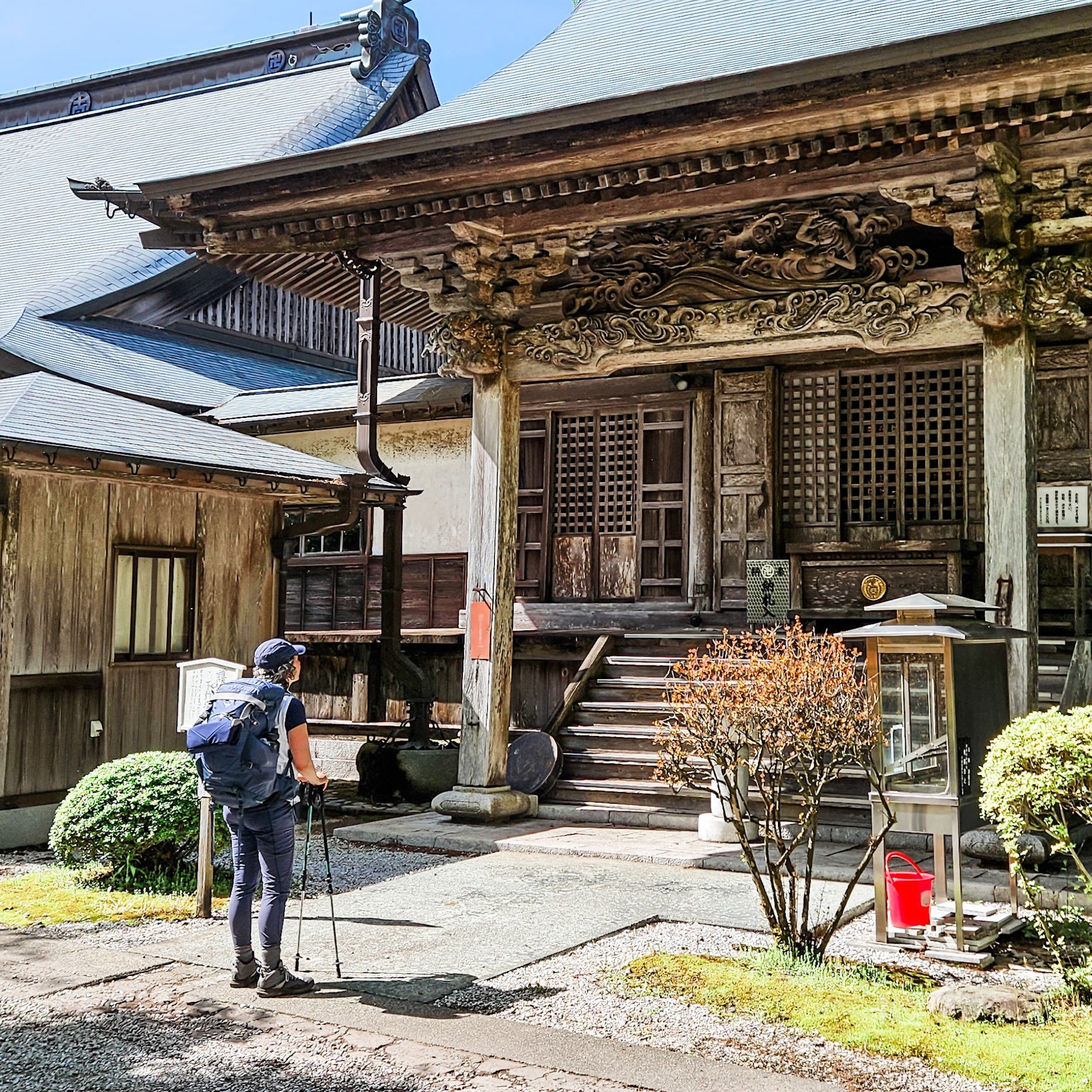
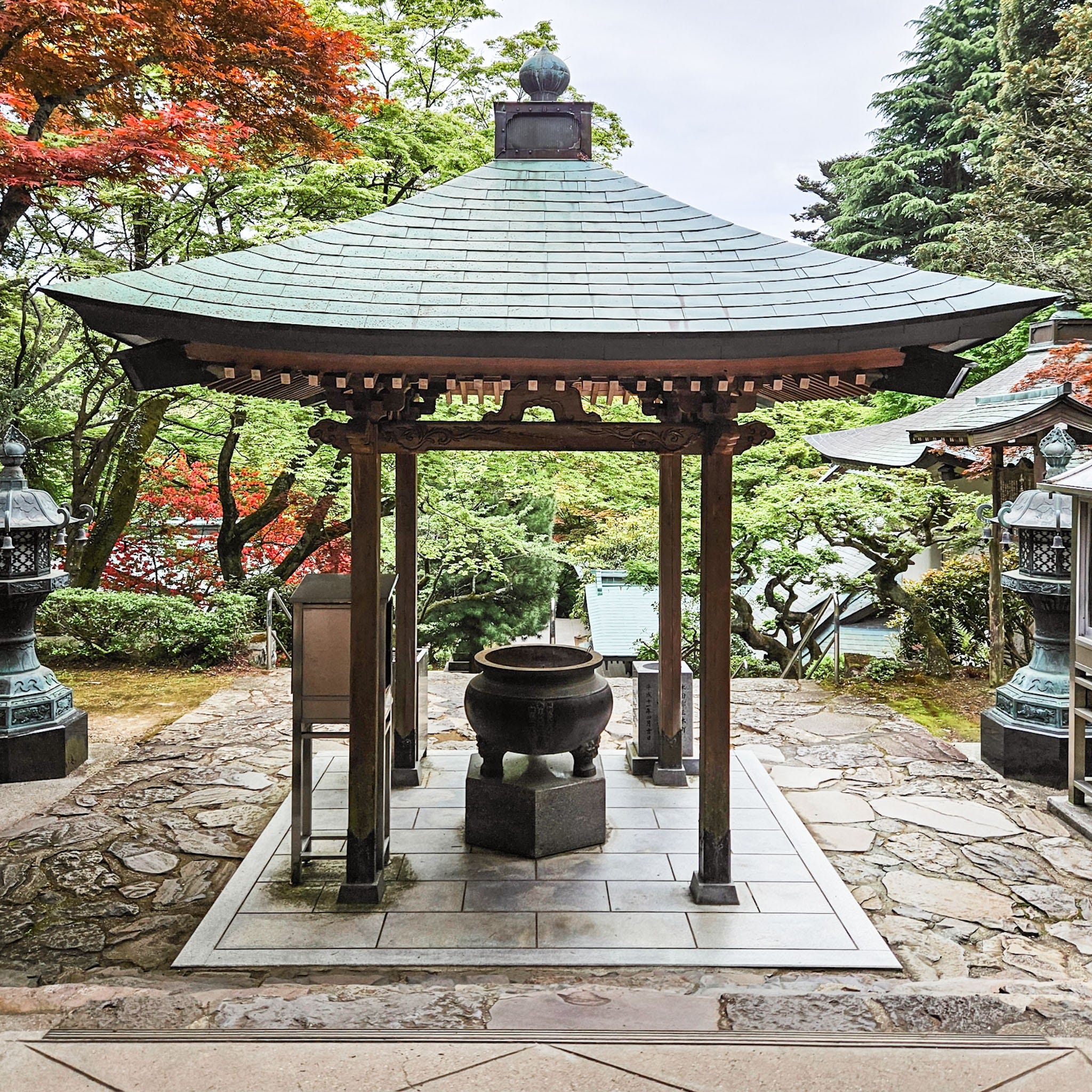
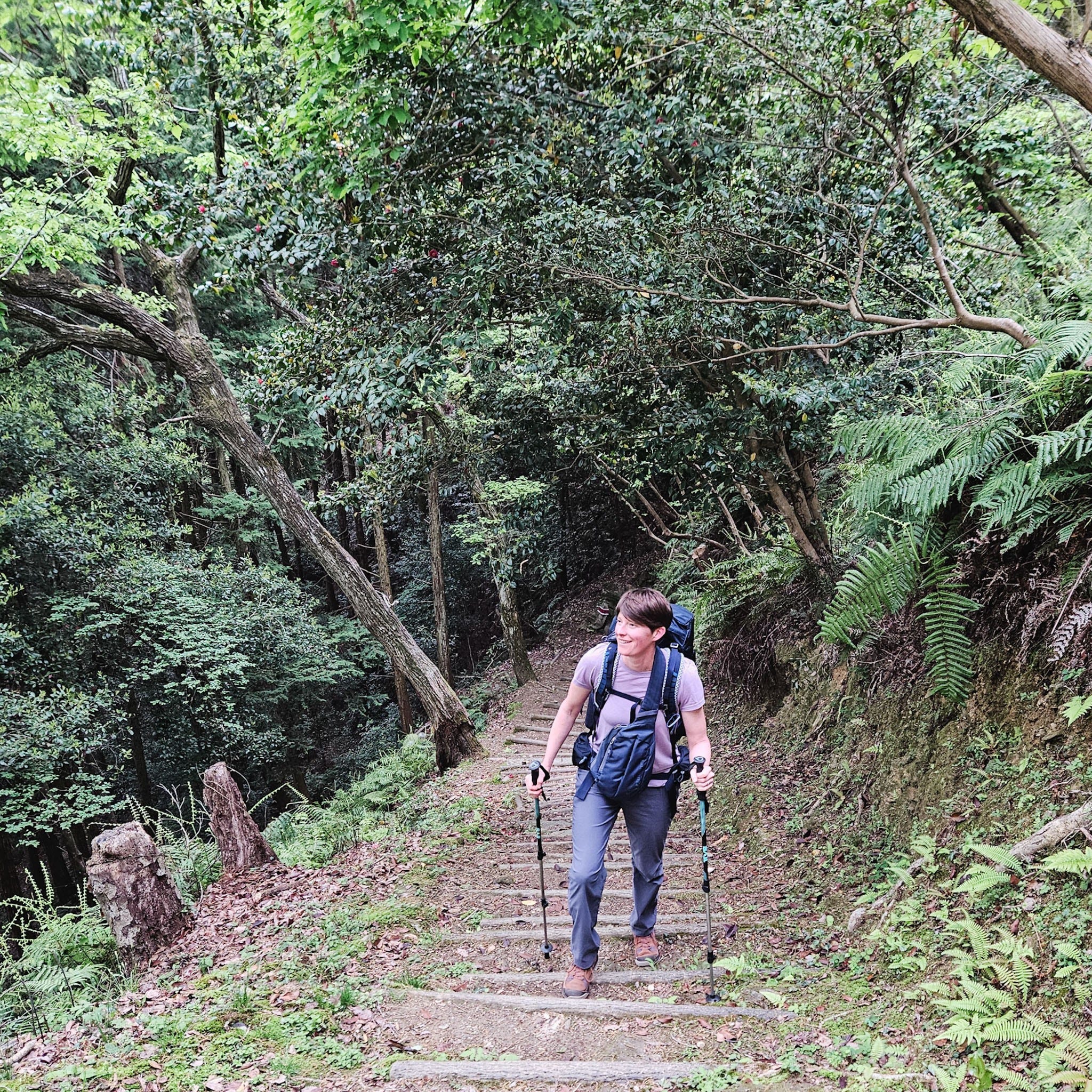
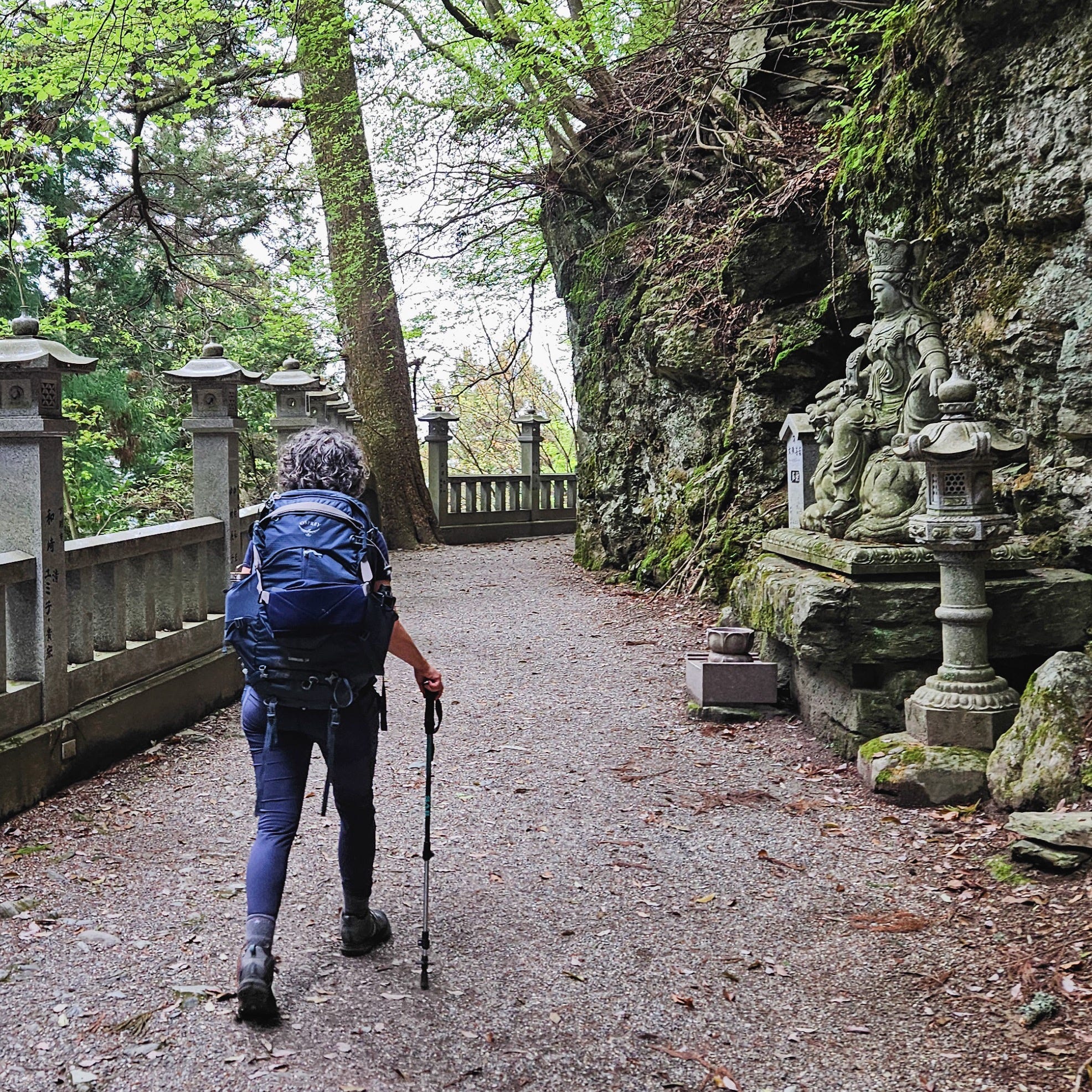
From there, we headed off for a week of fairly serious hiking with lengthy stretches up and down steep mountainsides. We carried everything we needed in our backpacks and, once a couple litres of water were added, I quickly realized I should have left a few of my dressier outfits behind. (But it’s Japan, I remember saying to Gillian, we’ll be going out for nice meals.) The hiking was challenging but rewarding; we struggled our way up well-groomed trails with the payoff being a historic temple in yet another beautiful location. No matter how tired we were from the hike, we took time to have a moment of quiet reflection at each temple, keeping with the spirit of the pilgrimage.
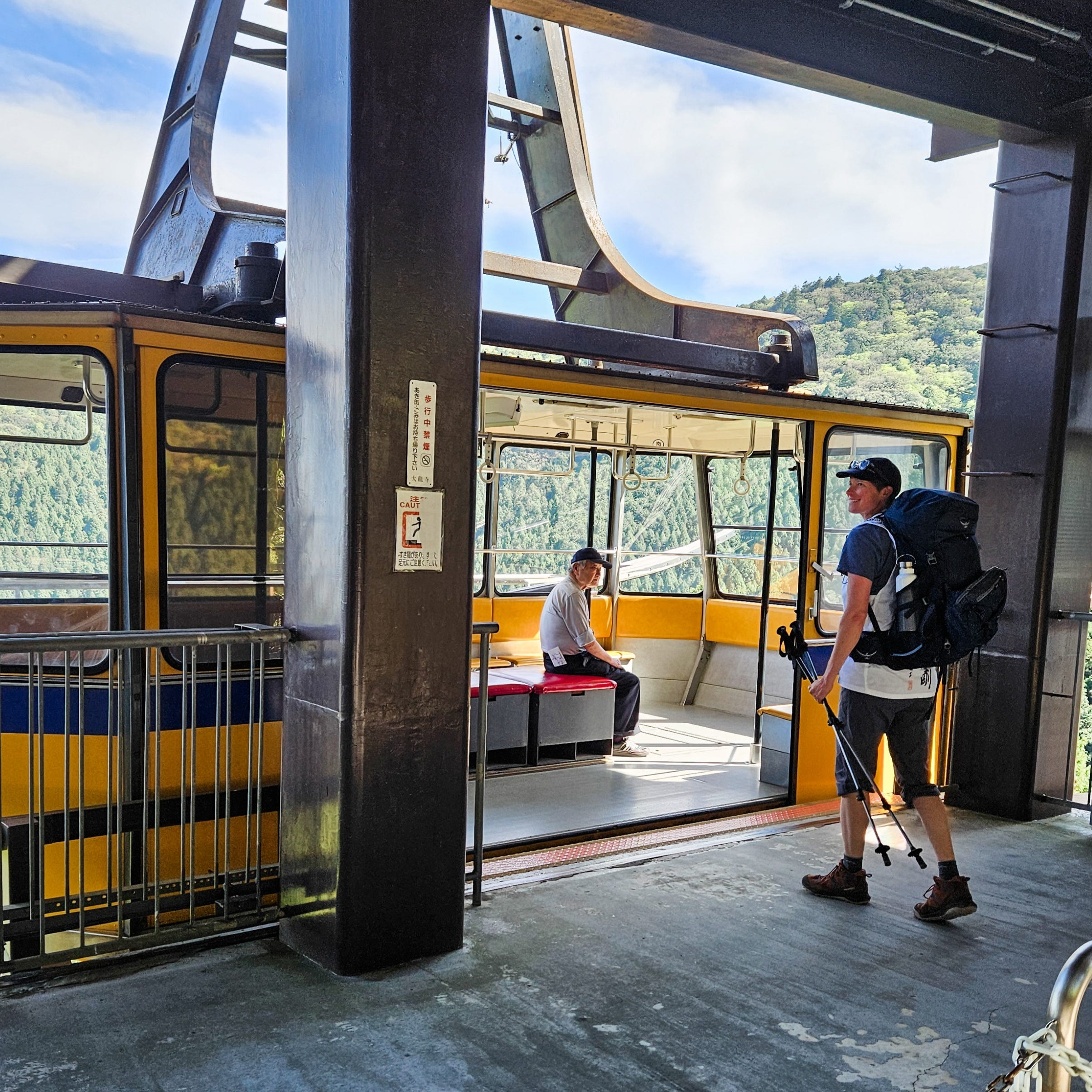
Getting back and forth to the trail ends was a less serene experience. We regularly spent one to two hours traveling to the trailheads in the morning and then another one or more to our next accommodation in the evening. Often we had to race the clock at the end of the hike to make it to the train station in time
The joys (and challenges) of independent travel
As shared in our previous newsletter, Gillian demonstrated mastery-level use of Alltrails and Google Maps to line up our bus and train itineraries for each day. Then I found a Japanese freelancer on Fiverr to help us fill in the transportation gaps with local taxis. (We had the opportunity to meet our freelancer for dinner in the town of Kamiyama and it was one of those special evenings with a local you always hope to have while traveling but so rarely do.) Normally I would be hesitant to plan a hiking trip with so much time spent in transit. However, for Japan, we took each experience as a cultural enrichment opportunity.
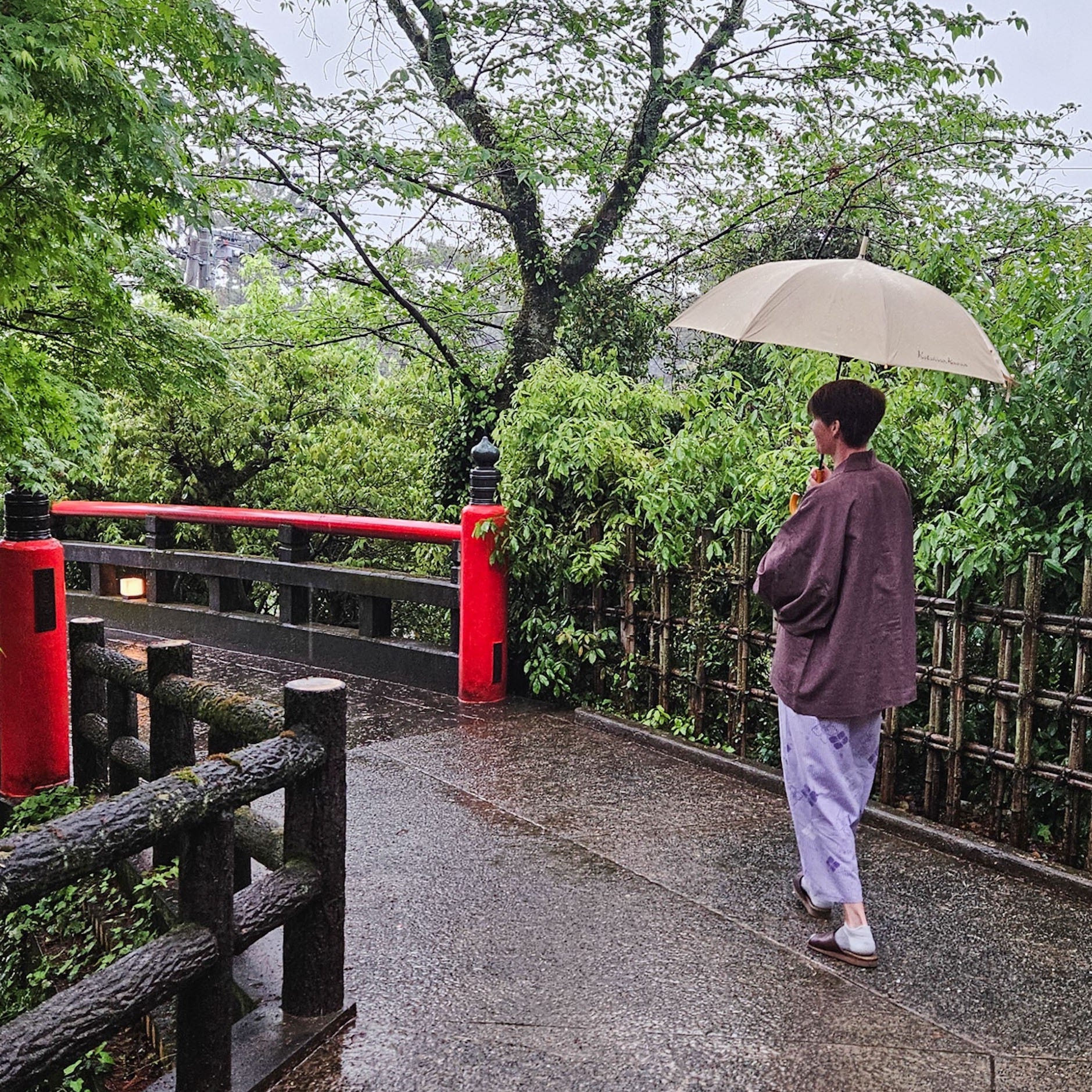
Our accommodations gave us plenty more opportunities for cultural enrichment. We enjoyed the range from a modest temple stay to an artsy boutique inn to a series of quirky business hotels. While the business hotels largely felt corporate, they each had their point of differentiation: JR Clement Tokushima had an outstanding breakfast buffet while REF Matsuyama provided free soft serve ice cream in the evening and a flight of six kinds of orange juice in the morning. The Super Hotel Anan offered guests eight types of pillows to choose from off the shelf at reception, including everything from down to buckwheat to one mysteriously labeled “for woman.”
Near the end of the trip, we treated ourselves to two very different luxury onsen hotels—Kadan in Kotohira and Umenoya in Dogo Onsen—featuring private hot spring baths and traditional minimalist rooms with tatami floors.
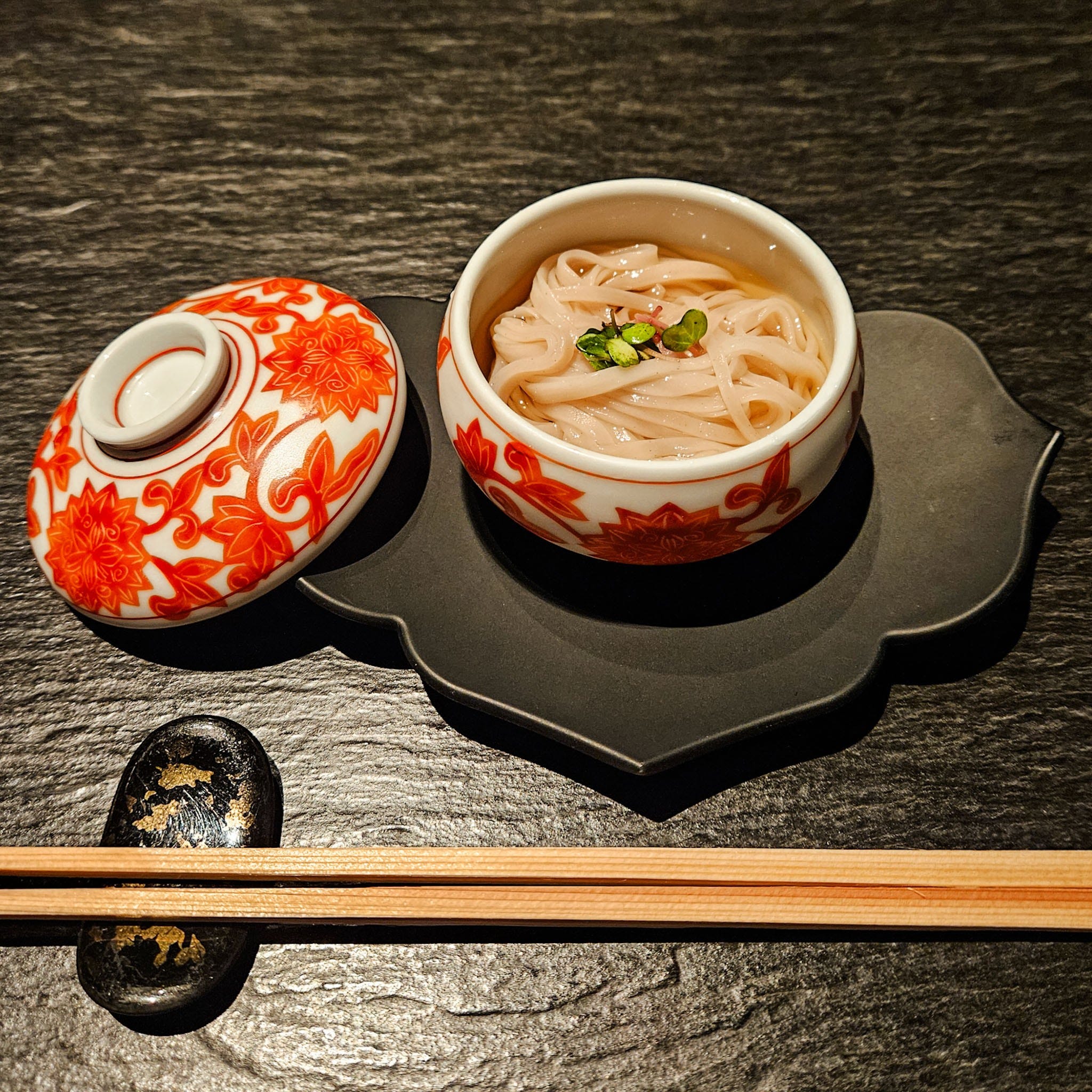
Mealtimes on the trail offered even more adventure. Breakfast was always included with our accommodation, the classic assortment of fish, rice, soup, and sides in little bowls. Lunch was whatever we could scrounge. Most often we made do with the offering at the local convenience store on our way out of town, typically rice balls stuffed with tuna mayonnaise, salmon, or beans. Occasionally our path would take us past a noodle restaurant midday but we had to dive deep into Google Maps to make sure wherever we were hoping to buy food would be open at the right time, especially in the smaller towns. The very best dinners were the kaiseki meals at the onsen hotels with course after course of artfully presented dishes, all while wearing traditional yukata robes.
For all the logistical challenges of this trip, it was a wonderful way to experience Japan. We particularly liked exploring a region that has yet to be discovered by other international tourists. That said, planning and booking the trip independently required a massive spreadsheet, advanced use of Google Translate, and all of our skills as very experienced travelers. This is not the trip that I would recommend to the novice traveler interested in a first-time visit to Japan.
Instead, the Kumano Kodo is a great option. It’s got all the beautiful temples and cultural experiences that one wants from a trip to Japan; it’s relatively easy to get to from Osaka; and it’s certainly easy to plan with the support of the not-for-profit community booking service. The service takes care of accommodations and luggage transfer; you just show up and hike. And the Kumano Kodo is a true inn-to-inn hike; there’s never a need to take a train at the end of a long day on the trail.
Still, our labour-intensive trip to Shikoku reminded us that some of the most memorable adventures are the ones that require just a little more effort to reach.
See you on the road,
Stephanie & Gillian
Sounds wonderful!
We first heard about this pilgrim trail while we did a campervan trip around Shikoku island (highly recommend too! And cycling at Shimanami Kaido might be up your alley too)
This makes us really want to try it! Do you guys have rough cost estimates for such a DIY trip?